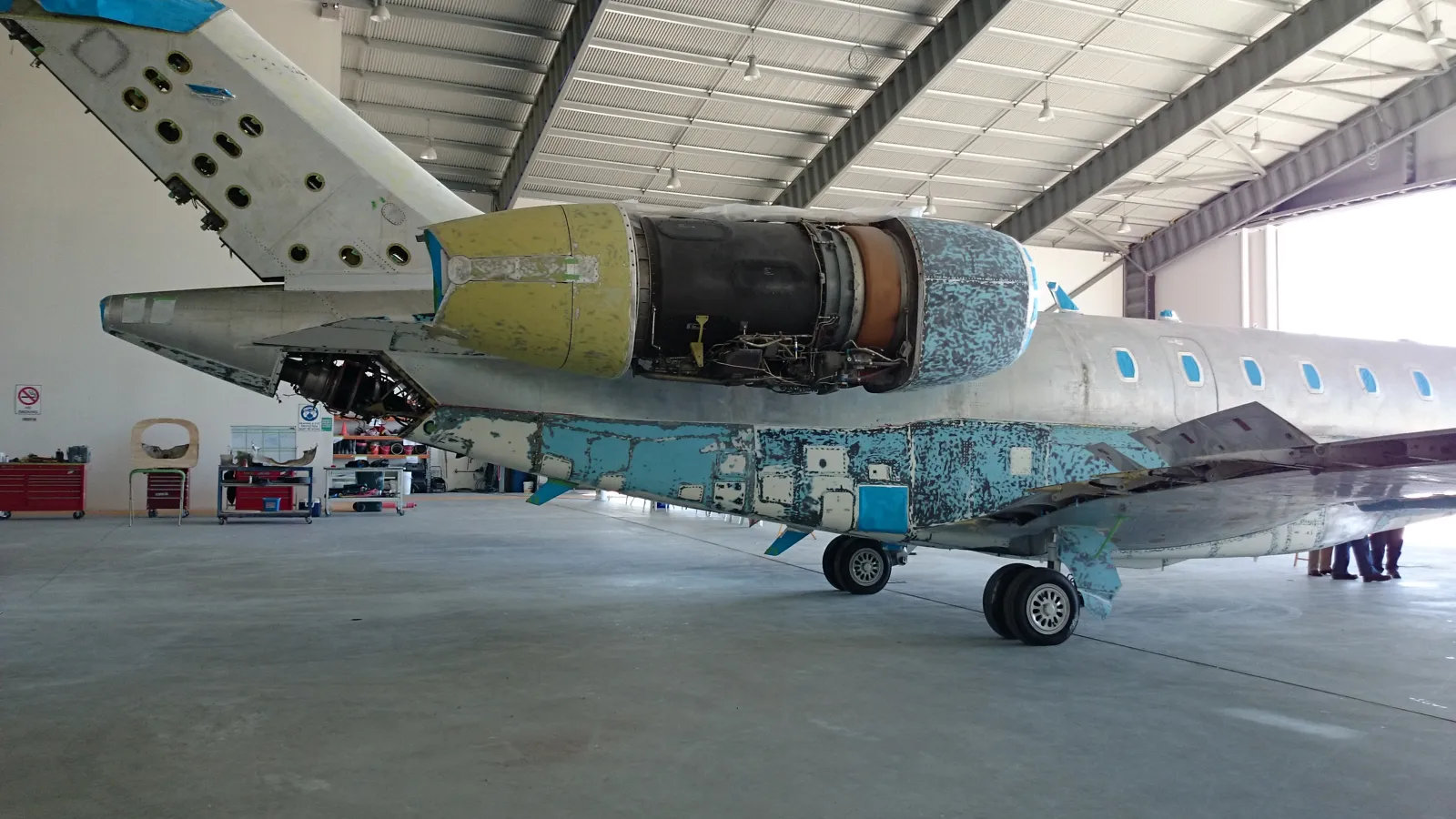
Aircraft maintenance
Getting an aircraft insurance quote
Tell us the aircraft and where it is based, and we will point you to a quote.
Aircraft insurance protects the aircraft and you. For owner-flown piston and turboprop aircraft, the quote depends mostly on the aircraft, its value and the pilots who will fly it.
What owners usually buy
- Liability for injury and damage to others, including passengers.
- Hull cover for the aircraft itself, in motion and not in motion, at an agreed value.
- Renter or non-owned aircraft liability for pilots who fly aircraft they do not own.
What insurers ask
- Aircraft make, model, year, value and where it is based.
- Pilot certificates, ratings, total time, time in type and recent training.
- Intended use: pleasure and business, training, or rental.
- Claims and accident history.
Pilot clauses
Policies may list named pilots, or use an open pilot clause that covers any pilot meeting stated experience minimums. Check the requirements before you lend the aircraft to anyone.
Tips
- Recurrent training and added ratings can improve terms.
- Make sure the agreed value matches the market value.
- Tell your insurer about major upgrades so the hull value reflects them.
- Jet owners: see private jet insurance.
Find the right shop or quote
Tell us the aircraft, the job and where it is based. We reply by email, and we only introduce a partner if you ask us to.
Frequently asked questions
How do I get an aircraft insurance quote?
Provide the aircraft details and value, pilot experience and intended use to an aviation insurer or broker.
What is an open pilot clause?
A clause covering any pilot who meets the experience minimums stated in the policy.
Does renter insurance cover me in a club aircraft?
Renter or non-owned aircraft policies are designed for that, but read the limits and exclusions.
Why did my quote require more training?
Insurers often require type-specific or recurrent training, especially for higher performance aircraft.