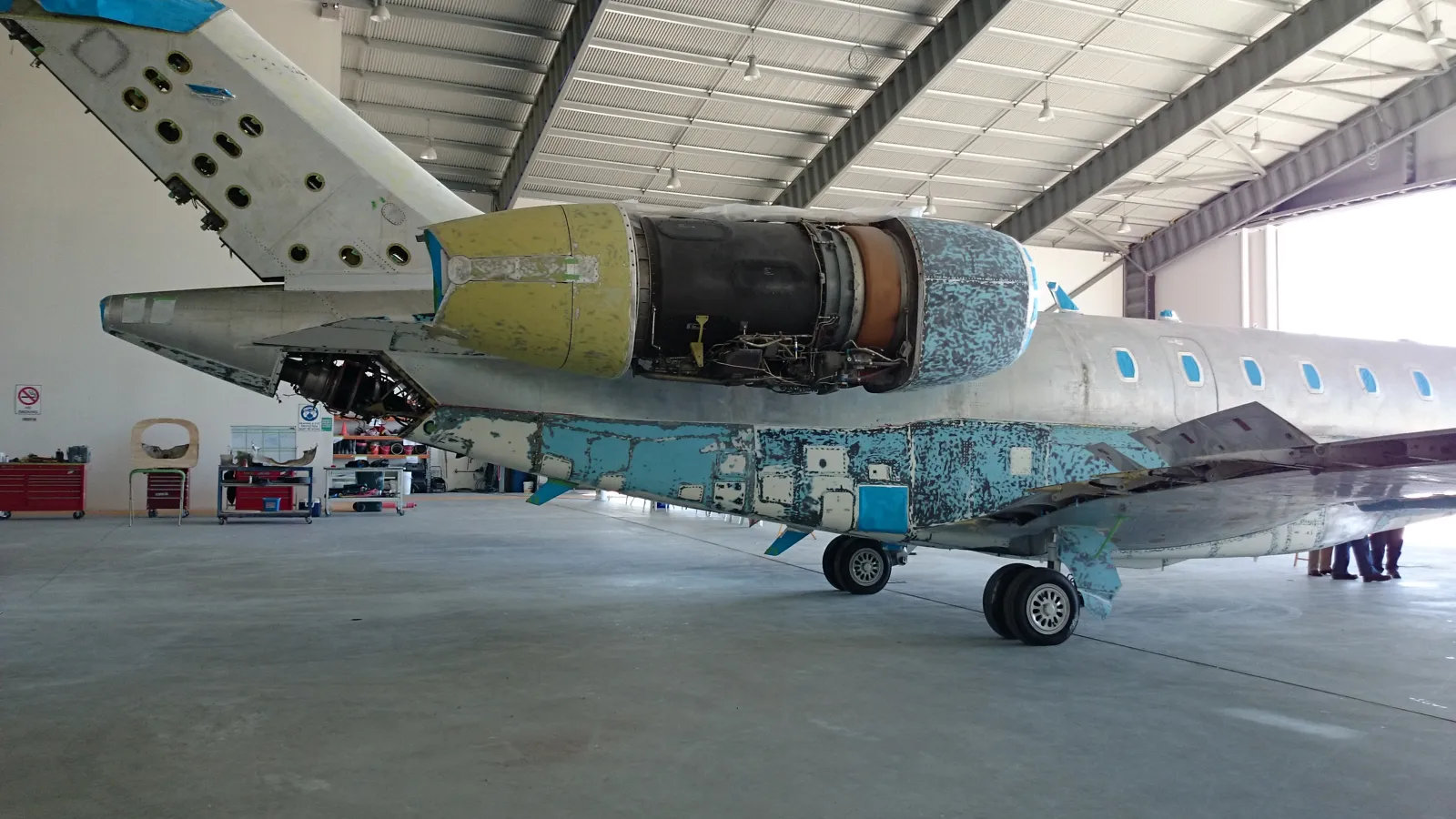
Aircraft maintenance
Aircraft inspection types explained
The FAA sets which inspections an aircraft needs in 14 CFR 91.409, depending on what it is and how it is used.
The FAA sets which inspections an aircraft needs in 14 CFR 91.409, depending on what it is and how it is used. Jets and turboprop twins follow structured programs; smaller aircraft usually follow the annual and 100-hour rules.
Annual inspection
Most aircraft may not be operated unless they have had an annual inspection within the preceding 12 calendar months (14 CFR 91.409(a)). An annual must be performed by a mechanic holding an Inspection Authorization, a repair station rated for it, or the manufacturer. Part 43 Appendix D lists the scope.
100-hour inspection
Aircraft that carry people for hire or are provided for flight instruction for hire also need an inspection every 100 hours of time in service (91.409(b)). The 100-hour limit may be exceeded by up to 10 hours to reach a place where the inspection can be done, and that excess counts toward the next 100 hours.
Progressive inspection
An owner can use an FAA approved progressive inspection program (91.409(d)), which spreads the inspection work over shorter, more frequent visits to reduce downtime.
Jets and turbine multiengine aircraft
Large airplanes, turbojet multiengine airplanes, turbopropeller-powered multiengine airplanes and turbine-powered rotorcraft must follow an inspection program selected under 91.409(e) and (f), such as the manufacturer's current recommended inspection program or another FAA approved program. Manufacturer programs often divide the work into phases or checks on hour, cycle and calendar limits.
Other recurring checks
| Item | Interval | Rule |
|---|---|---|
| Altimeter and static system (for IFR in controlled airspace) | Within the preceding 24 calendar months | 14 CFR 91.411 |
| Transponder | Within the preceding 24 calendar months | 14 CFR 91.413 |
| Emergency locator transmitter | Within the preceding 12 calendar months | 14 CFR 91.207(d) |
| Airworthiness directives | As stated in each AD | 14 CFR Part 39 |
Keep it on schedule
Maintenance tracking software and a good shop keep these dates from slipping. Overdue inspections ground the aircraft and hurt resale value.
Sources
Find the right shop or quote
Tell us the aircraft, the job and where it is based. We reply by email, and we only introduce a partner if you ask us to.
Frequently asked questions
What is the difference between an annual and a 100-hour inspection?
The scope is the same, but an annual must be signed off by an IA, repair station or manufacturer, and is required every 12 calendar months. A 100-hour applies to aircraft used for hire or flight instruction for hire.
Do private jets need annual inspections?
Turbojet multiengine airplanes follow an inspection program selected under 14 CFR 91.409(e) and (f), usually the manufacturer's program, instead of the basic annual and 100-hour rules.
What is a phase inspection?
A way manufacturer programs split required inspection work into stages on hour, cycle or calendar limits.
How often does a transponder need checking?
Within the preceding 24 calendar months, under 14 CFR 91.413.